CRM Setup ✶ Funnels ✶ Email Marketing ✶ Automation ✶ Workflows ✶ Community Setup ✶ Software Strategy ✶ Tech Connections ✶
I help entrepreneurs stop piecing their business together... and start building it with intention.
I don't believe you need more tools.
I believe you need better foundations.
Whether we're refining your strategy, building your systems, or creating your Business Home inside Biz Systems Magic, my goal is always the same:
More clarity. More ease. More room to grow.
We can knock it out in a day or two!




Business Systems Architect | Educator | Founder of Biz Systems Magic
Hey! I'm Meg
I'm a Business Systems Architect, I help service providers transform scattered ideas, disconnected tools, and manual processes into thoughtful systems that support exceptional client experiences and make running a business feel a whole lot easier.
I'm equal parts creative and technical—a big-picture thinker who loves rolling up my sleeves to build alongside my clients. Whether we're mapping a new offer, refining your client experience, organizing your business systems, or creating a complete Business Home inside Biz Systems MagicTM, my favorite part is helping everything finally click into place.
You'll find my work in three ways:
📚 Learn with me through trainings, templates, and resources inside the Biz Systems Muse Shop.
🏗️ Build with me for strategy and implementation.
🏡 Grow with me inside Biz Systems MagicTM, where your systems, support, and community come together in one Business Home.
Because when your business works beautifully behind the scenes, you have more space to do the work you're truly here to do.

Three Ways We Can Build Your Business Together
Whether you're looking for hands-on support, practical resources, or a complete Business Home, there's a path designed to meet you where you are.
Learn With Me
"I'll teach you how."
Thoughtfully created resources for building a business that works beautifully behind the scenes.
Prefer a DIY approach with expert guidance? Inside the Biz Systems Muse Shop you'll find templates to save time, photography to elevate your brand, practical trainings, or tool-specific resources, everything inside the Biz Systems Muse Shop is designed to help you simplify, create, and grow with confidence.
Build with me
"Get expert help bringing your ideas to life."
Personalized strategy, implementation & business systems design.
Need a trusted partner to help untangle the behind-the-scenes of your business? Together we'll map your client journey, streamline your workflows, organize your business systems, and build the structure that supports how you actually work.
Whether it's a VIP Intensive, systems strategy, or custom implementation, I'll help you turn scattered ideas into a business that feels clear, connected, and easier to manage.
Grow With Me
"Your Biz Home & Ongoing Partnership"
Simplify your business with one thoughtfully connected home inside Biz Systems Magic.
Ready to stop juggling disconnected tools?
If you're ready for a business that feels organized, supported, and built to grow with you - I'd love to welcome you into . . .

Biz Systems Magic brings your website, CRM, client journey, email marketing, automations, scheduling, and ongoing support together in one beautifully organized Business Home.
It's more than software - it's a partnership designed to help your business grow with greater clarity, confidence, and ease.
Does this sound familiar?
. . . be honest
🤥 "I'll work out my opt-in funnel once things slow down. . ."
😬 "I know what my processes are ...but haven't actually documented them anywhere."
😯 "I have an email list sign up but I'm a bit lax on the actual emailing...beyond "thanks for signing up" 🙃.
🫣 "I don't know which software will work for my needs ...just the research is overwhelming me 🤯 so it's perpetually on my to-do list."
🤔 "Did I send that email to client x? or it is still in my drafts?... or maybe that inquiry was in a DM?...I can't keep track of who & where!"
🤥 "I have a course or digital product, but I have no clue what tech I need to sell it."
Are you tired of putting off the tech tool & systems projects you know will make a huge difference in your biz?
Let me be your muse! I'll help you take action and get that shiz sorted, systemized & (wherever possible) automated!


systems
strategy + software + automation
Let’s face it you cannot accomplish your goals & grow in your business if you do not have your business systems in place.
Creating repeatable processes in your business is the key to forward momentum. Allowing your business to grow because you have time to do the important work or take on others to delegate some of that work.
Let go of the notion you need to do it all.
Click below to see what life changing biz systems magic we can work in only one a day!

funnels
design + tech + automation
Does just the word “funnel” give you a tension headache?
Contrary to what you may have read – your business may not need all the bells & whistles of an email sequence that leads to a webinar that leads to a sales page pitch, that leads to a buy now page (with a count down timer!)… oh me, oh my!
Are you hyperventilating yet?
Click below to see what we can knock off your marketing list in just a day!

courses
strategy + setup + tech
There are lots of moving pieces and oh so many tech options for jumping into the course creators arena.
I can help you formulate an action plan for your content and business goals.
We’ll start with mapping out how this will fit into your business model and that will help you determine your software and tech needs for your course and it’s marketing funnel.
Click below to see what we can get done for your course project in a day!

knock out just ONE these items from your list?
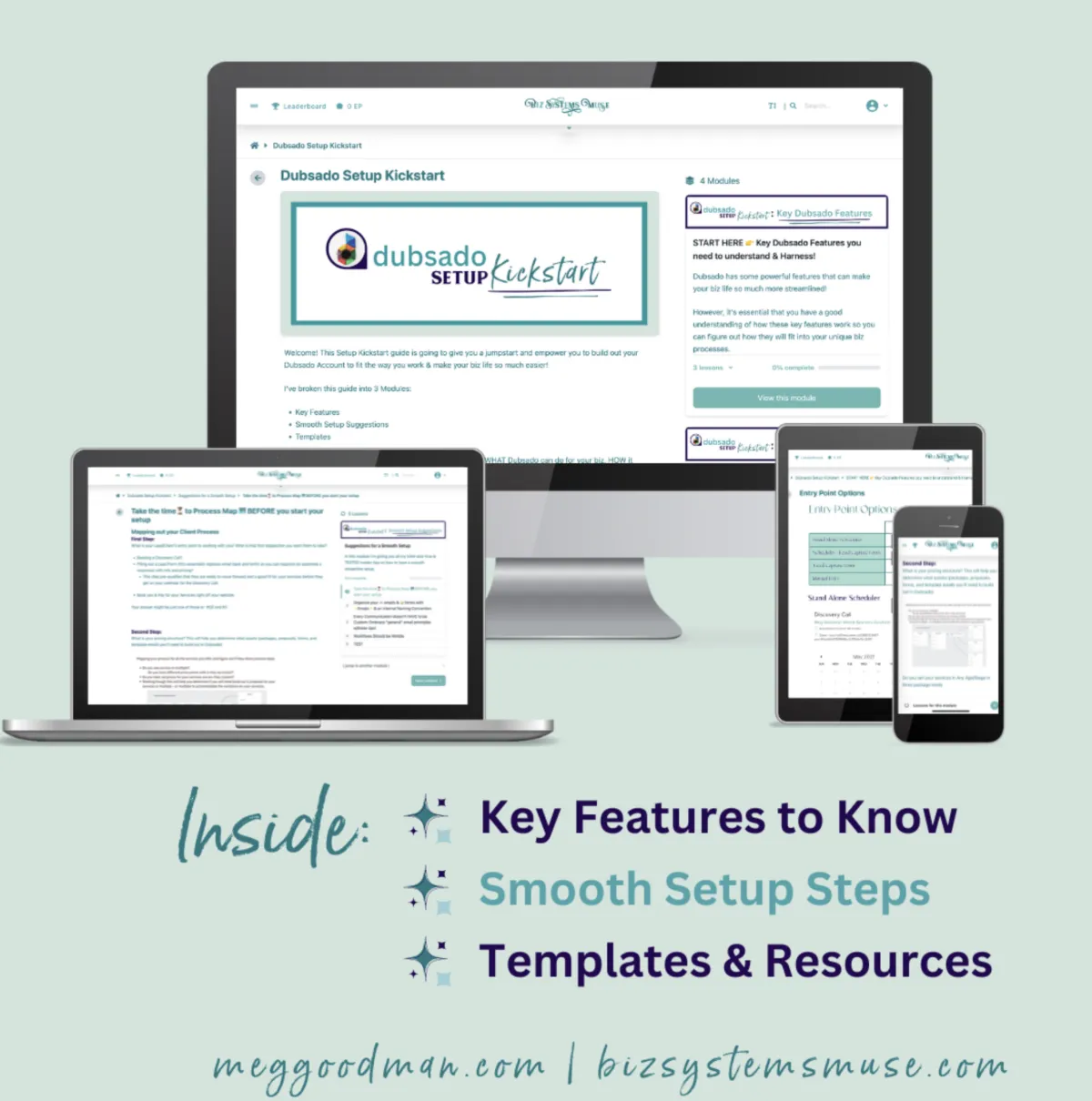
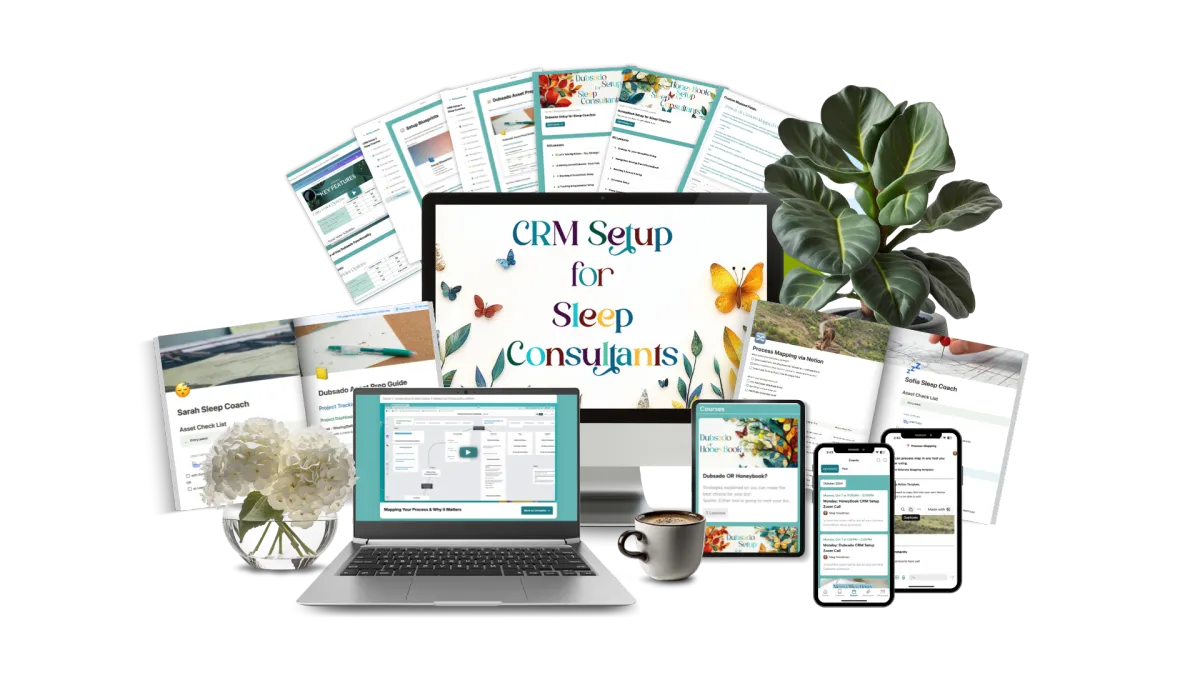
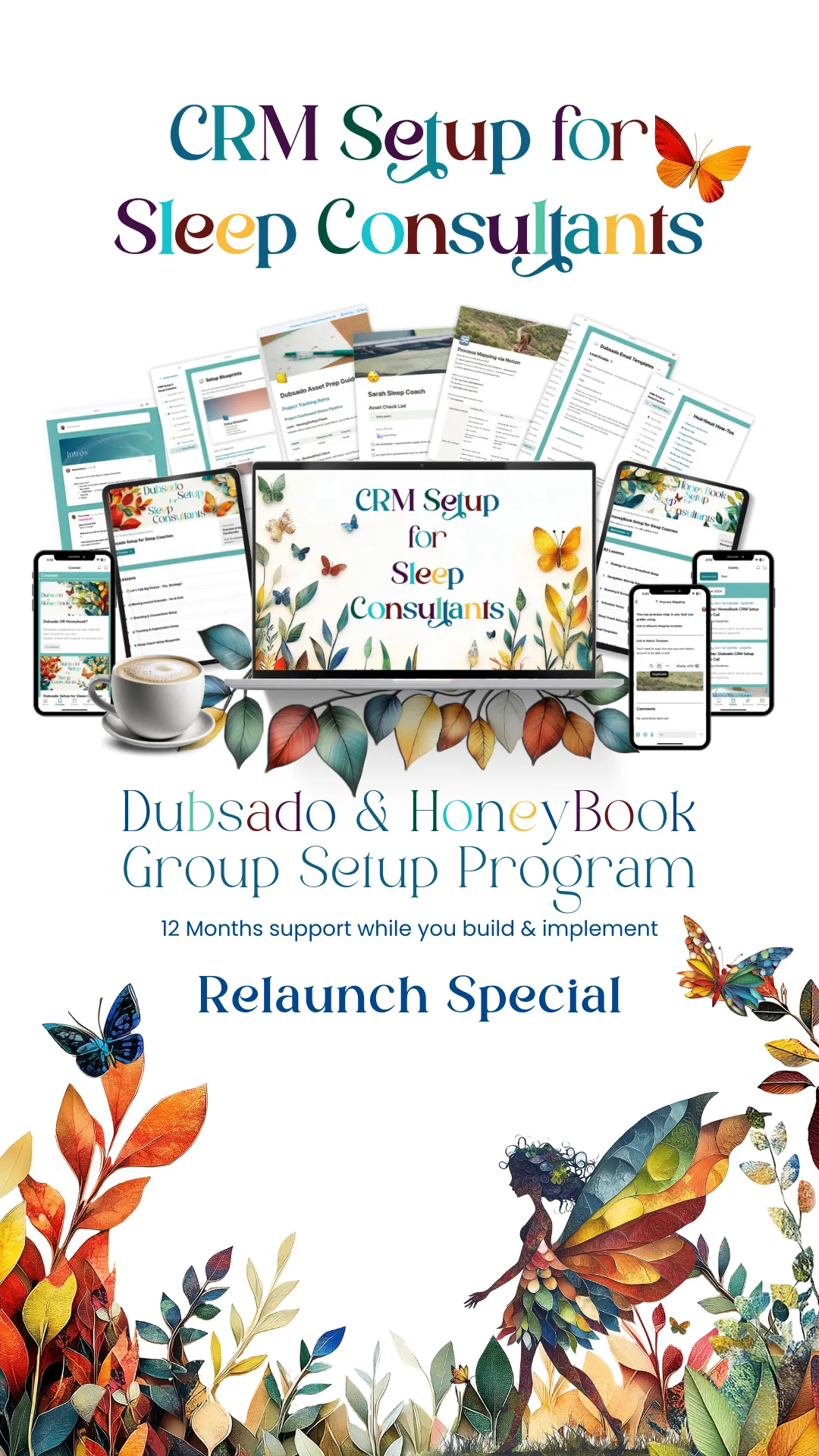
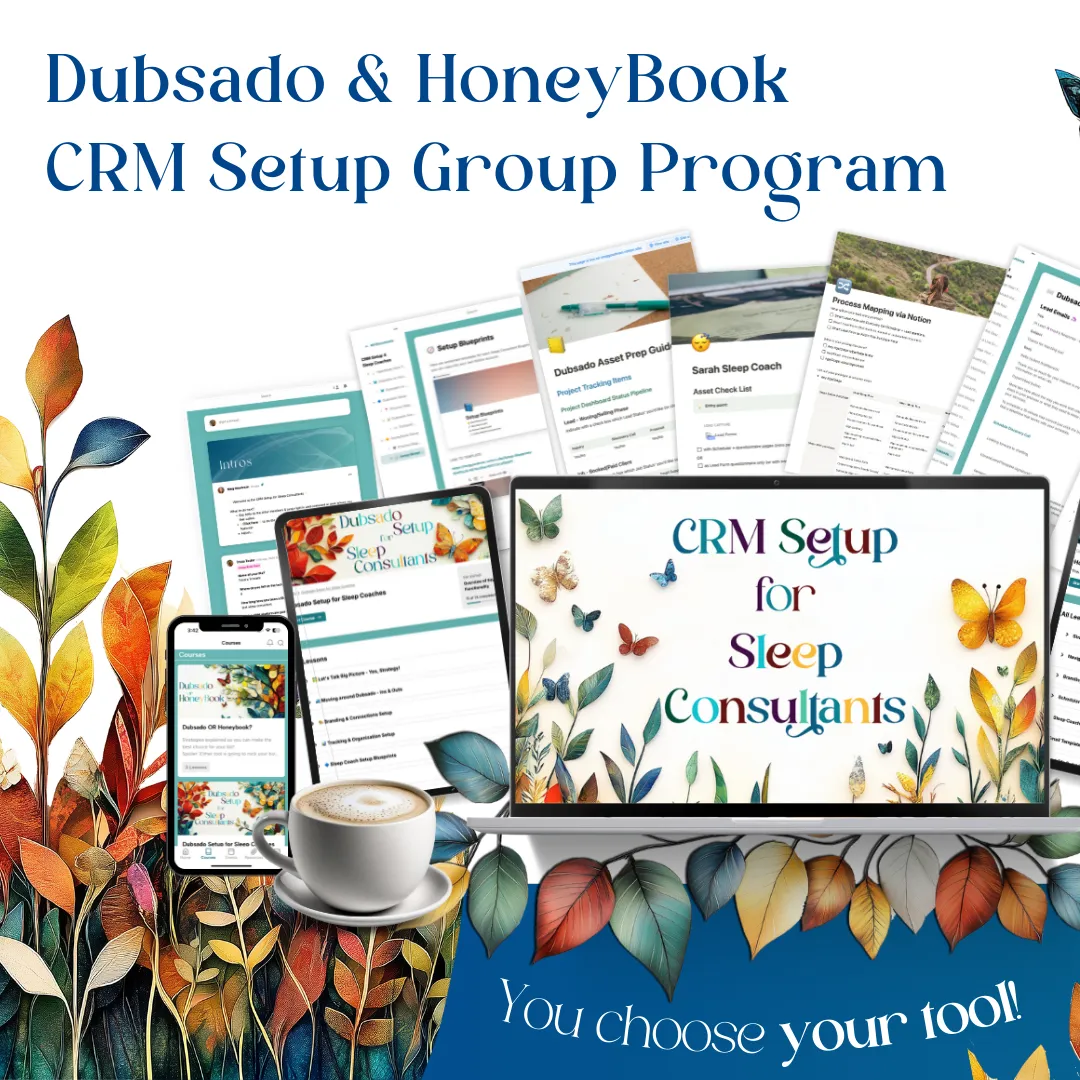
🧞♀️ Client Journey mapped out and set up in Dubsado (Honeybook, Practice, or 17hats)
🧞♀️ Your course was ready to go!
🧞♀️ Automated Welcome sequence in your email or chat tool.
🧞♀️ Client Onboarding Process in your Tool of choice.
🧞♀️ Landing Page/Opt-in Page Funnel
🧞♀️ Course or Community Platform Branded & ready to rock!
If one of those projects were done & dusted …what could you do with that extra – – Time? Head space? Income?
I can help you take action
my done-for-you solution
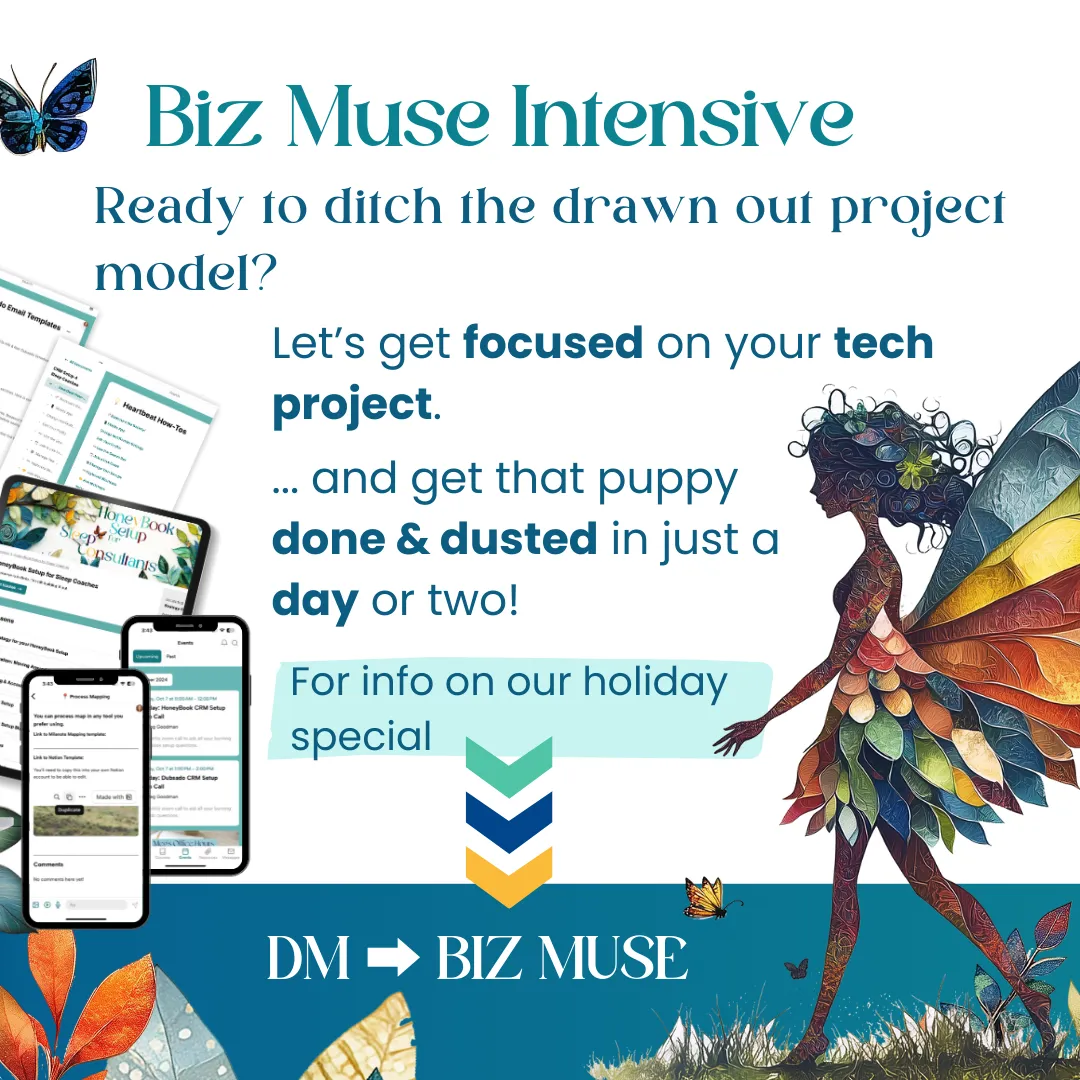
Biz Muse Intensive
I will be your very own Biz Muse – focusing my expertise solely on your project for the entire day!
Collaborating together we will knock out those items from your list.
Planning + Focus & Collaboration = Amazing Results
You’ll be so spoiled by our day together – you’ll never want to work your future projects any other way!

my done-with-you services
You + me getting shiz done!
Sometimes you just need a little help getting a specific task done or figuring out your strategy for a larger project.
If your need is more task list or coaching & strategy based - check out my done-with-you offers.
other offers
Everything Else
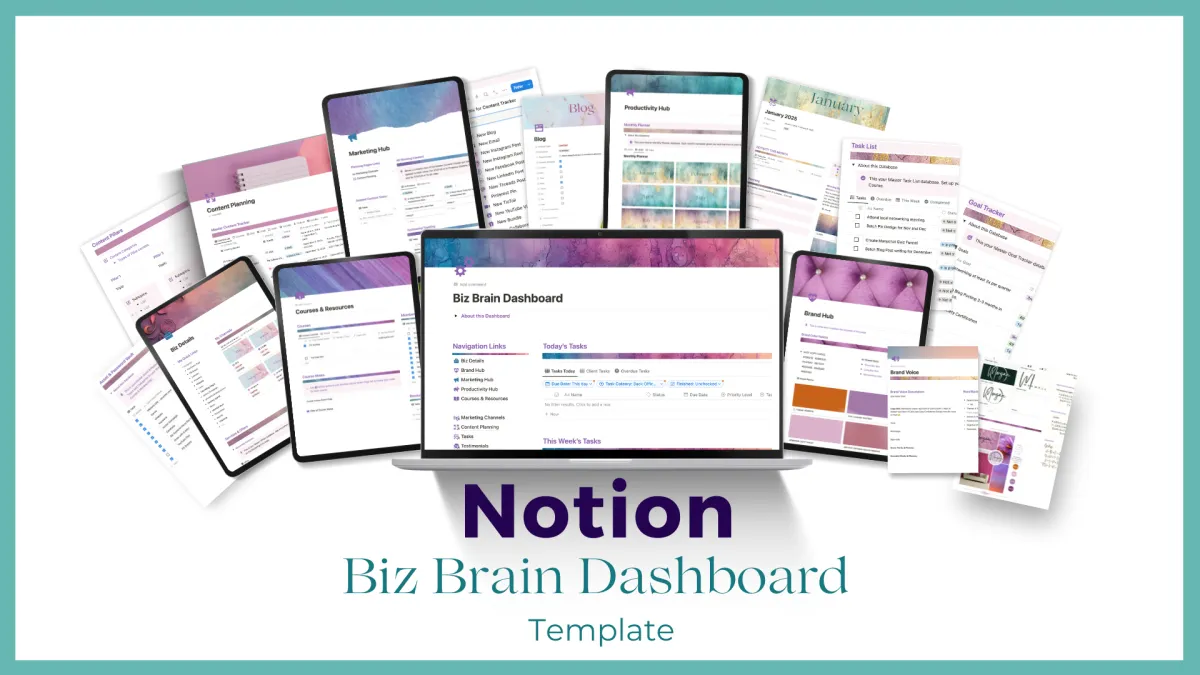
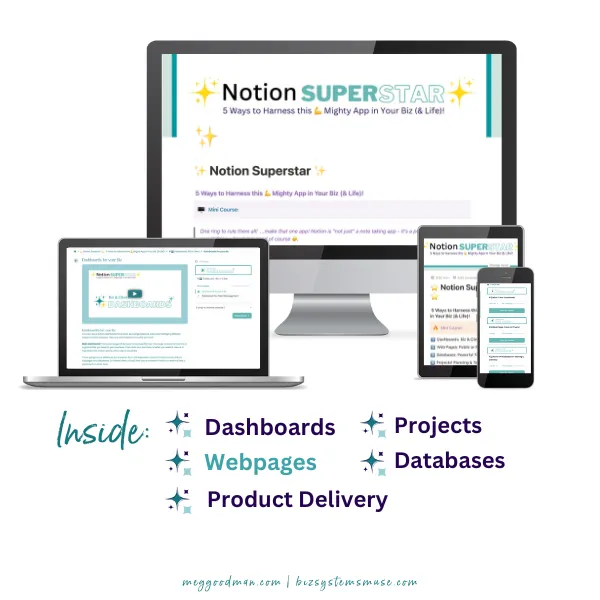
You'll find all my products, courses, programs & memberships on this page.
other offers
Everything Else
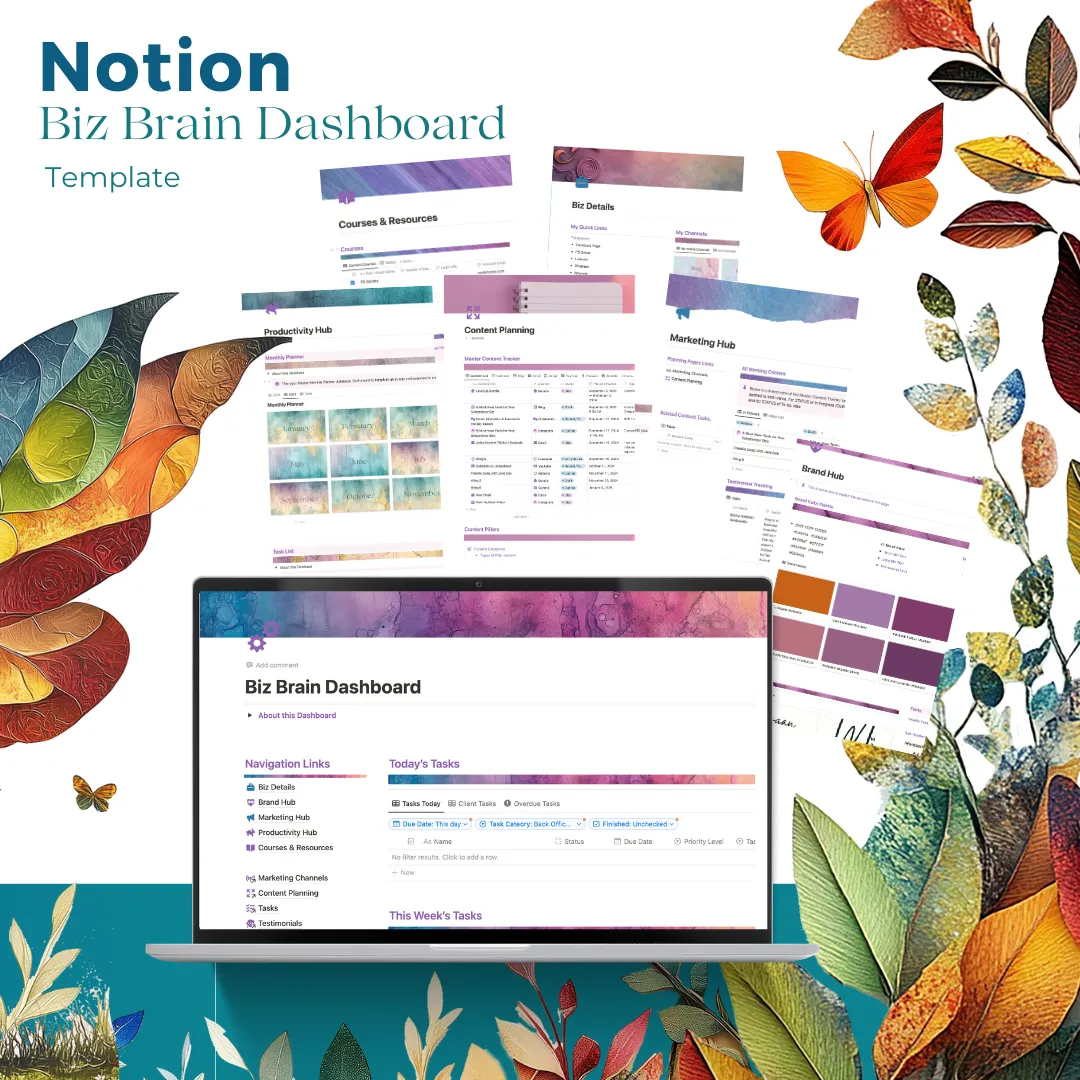
You'll find all my products, courses, programs & memberships on this page.
my done-for-you solution

I will be your very own Biz Muse – focusing my expertise solely on your
project for the entire day!
Collaborating together we will knock out those items from your list.
Planning + Focus & Collaboration = Amazing Results
You’ll be so spoiled by our day together – you’ll never want to work your future projects any other way!


Schedule your
Biz Muse Intensive
Prepare for your
Biz Muse Intensive. You'll have some homework after our mapping session.

Biz Muse Intensive
Day of Magic
(aka. I build out the thing!)
Zap that Project off your List!
& relish in the life changing automagical goodness that is likely the result of our work
Schedule your
Biz Muse Intensive
Prepare for your
Biz Muse Intensive. You'll have some homework after our mapping session.
Biz Muse Intensive
Day of Magic
(aka. I build out the thing!)
Zap that Project off your List!
& relish in the life changing automagical goodness that is the result of our work
“I knew I wanted to use Dubsado for my business, but also knew that getting it up and running would be hard for me. Hiring Meg was one of the best decisions I have ever made for myself and my business. She is a pleasure to work with! She spent time setting up this program for me, but more importantly she clearly walked me through each and every detail of the process. She sent videos and instructions along the way, detailing everything she was doing. She consulted with me about the options I wanted to use. She even helped me connect Dubsado to my website. I knew from my first video conference with Meg that working together was going to be a pleasure, and it was! I highly recommend her services!”
Johanna S. - Sleep Soundly Consulting
Let's explore where you are,
where you're headed, and whether I'm the right partner to help you build what comes next.

You Picked the Best Tool for Every Job. So Why Do the Tools Feel Like the Job?
You Picked the Best Tool for Every Job. So Why Does Running Your Business Feel Like Managing the Tools?
There's a version of this story you probably know well.
You didn't just pick tools randomly.
You researched, read the comparison articles, watched the YouTube reviews, and asked in the Facebook groups.
You picked the best
website platform,
the best email platform,
the best CRM,
and the best course and digital product platform.
You were thoughtful about it, and at the time, every single choice made sense.
And yet here you are, opening your laptop every morning and immediately feeling behind.
Not because you're disorganized or not working hard enough, but because somewhere between the careful tool selection and the actual running of your business, something went sideways.
What nobody told you is that picking the best tool for each job is only half the equation. Managing the gaps between them, the part that quietly became a second job, is the other half.
The Logic That Made Total Sense
For a long time, best-in-class thinking was genuinely the right call.
I did it in my own business, and I recommended it to clients too: pick the CRM with the features you need and actually enjoy working in, pick the email platform that fits how you send, pick the course platform that matches how you deliver.
That was the advice because it was the right advice at the time.
Until a few years ago, the all-in-one category mostly didn't exist for service providers. The tools that claimed to do everything were built for marketers and course creators selling to large audiences, the "gurus" selling big stuff.
They weren't designed for coaches running client journeys, wellness practitioners managing bookings and programs, or consultants who needed a CRM that actually made sense for how they worked.
So we did what made sense: we picked the best tool for each job and figured out the connections as we went.
Then the landscape shifted.
Platforms like GoHighLevel started baking all those core features into one place.
Bigger course platforms added websites, then funnels, then communities. Email marketing tools added checkouts.
Funnels added memberships.
The industry quietly changed while we were busy running our businesses inside the stacks we'd already built, which mostly just added more noise to an already noisy space.
The problem isn't that you made the wrong choices. It's that the industry moved and you're still running on the architecture you built before it did.
The Hidden Second Job Nobody Warned You About
Every integration is a decision point,
every Zap is a dependency,
and every extra tool in your stack is a coordination tax you pay every single month.
Not in money but in mental load, in troubleshooting time, in the low-level anxiety of not being entirely sure everything is talking to each other correctly.
When I was running my business on a stack of carefully chosen tools, I thought I was being strategic. What I was actually doing was building an obstacle course. What I called a workflow was really just a series of workarounds I'd gotten so used to that I stopped noticing they were workarounds.
I wasn't running a business, I was managing my stack.
Here's what that actually looked like:
I had no real way of knowing how big my list was, not because I wasn't paying attention, but because my people were spread across multiple tools.
Clients in one place, leads in another, course students somewhere else, community members somewhere else again, and the same person potentially showing up across three of them with slightly different information in each one.
To get any kind of full picture, I'd have had to manually pull it all together or add yet another tool, a Notion database or an Airtable setup, just to see my own business clearly. And even then, it would have been a snapshot, not a live view.
None of it was catastrophic on its own, but added together, it was exhausting in a way that was hard to explain because on paper I had great tools.
What This Looks Like in Real Life
You might be recognizing yourself here.
You've got multiple tabs open before you've had your first coffee, a client emails with a question and you have to check two different platforms before you can answer with confidence.
Say you want to add a new offer - but the thought of figuring out how to wire it into your existing setup makes you put it off for another month.
You're not scattered. Your architecture is.
The thing about a scattered architecture is that it creates a very specific kind of overhead, one that doesn't show up in your tool costs but absolutely shows up in your energy.
It's the switching, the checking, the second-guessing whether your automations actually fired, the manual tasks you do "just to make sure" because you've been burned before when you trusted the integration to handle it.
You built something that technically works, but "technically works" is doing a lot of heavy lifting, and you're the one carrying it.
The Belief Worth Updating
Best-in-class tools in isolation are only as powerful as the connections between them, and those connections were never really part of the promise. They were the part you were supposed to figure out yourself.
But there's a layer underneath that doesn't get talked about enough:
Even when the integrations work, you still don't have a full picture of your own business.
Your contacts aren't in one place, your revenue isn't in one view, your client history, lead activity, and course completions all live in separate tools with separate dashboards, and the only way to see the whole thing at once is to pull it all into yet another tool or a spreadsheet you update manually and hope stays current.
That's not a tools problem.
That's an architecture problem, and no amount of better integrations fixes it because the fragmentation is baked into the structure itself.
The question isn't whether this is the best tool for this job. The question is whether this gives you a real view of your whole business or just another fragment of it.
Where to Start
If you've never actually mapped what you're running and what it's costing you, that's a genuinely useful place to start. Not to make yourself feel bad about the choices you made, but to see clearly what your current setup is actually doing and what it's asking of you in return.
I built a Tool Stack Audit calculator for exactly this. It takes about five minutes and it shows you the real picture: what you're paying, what you're juggling, and where the hidden costs are sitting. No pitch, just clarity.
If you look at it and something clicks, I'm here. Whether that's a Power Hour to talk through your options or a Mapping Session to actually design what your backend should look like, that's what I do.
Your tools should make your business easier to run. If they're not doing that, it's worth taking a look at why.

Socials


Socials
Keep learning. Keep growing.
The Biz Systems Muse Society is where thoughtful business owners come together to continue learning, ask questions, and discover smarter ways to build and improve their businesses.
Join for inspiration, practical tips, new resources, workshop announcements, and behind-the-scenes insights you won't find anywhere else.
Socials
Socials
© Copyright 2018 - 2026 Meg Goodman Virtual Business Solutions | Terms & Conditions