CRM Setup ✶ Funnels ✶ Email Marketing ✶ Automation ✶ Workflows ✶ Community Setup ✶ Software Strategy ✶ Tech Connections ✶
I help entrepreneurs stop piecing their business together... and start building it with intention.
I don't believe you need more tools.
I believe you need better foundations.
Whether we're refining your strategy, building your systems, or creating your Business Home inside Biz Systems Magic, my goal is always the same:
More clarity. More ease. More room to grow.
We can knock it out in a day or two!



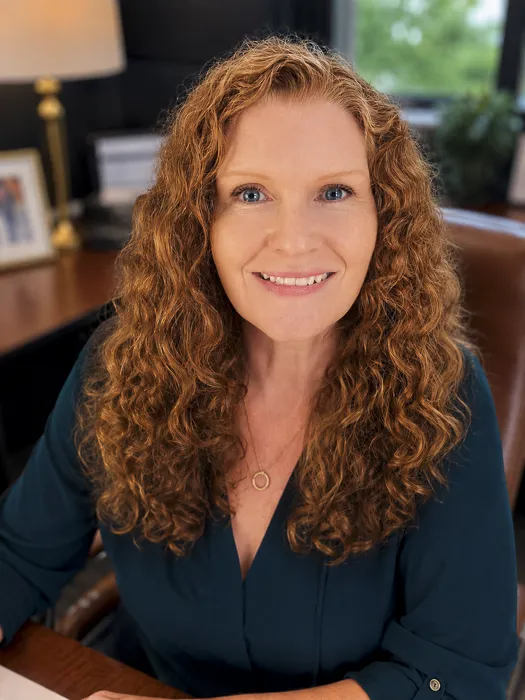
Business Systems Architect | Educator | Founder of Biz Systems Magic
Hey! I'm Meg
I'm a Business Systems Architect, I help service providers transform scattered ideas, disconnected tools, and manual processes into thoughtful systems that support exceptional client experiences and make running a business feel a whole lot easier.
I'm equal parts creative and technical—a big-picture thinker who loves rolling up my sleeves to build alongside my clients. Whether we're mapping a new offer, refining your client experience, organizing your business systems, or creating a complete Business Home inside Biz Systems MagicTM, my favorite part is helping everything finally click into place.
You'll find my work in three ways:
📚 Learn with me through trainings, templates, and resources inside the Biz Systems Muse Shop.
🏗️ Build with me for strategy and implementation.
🏡 Grow with me inside Biz Systems MagicTM, where your systems, support, and community come together in one Business Home.
Because when your business works beautifully behind the scenes, you have more space to do the work you're truly here to do.

Three Ways We Can Build Your Business Together
Whether you're looking for hands-on support, practical resources, or a complete Business Home, there's a path designed to meet you where you are.
Learn With Me
"I'll teach you how."
Thoughtfully created resources for building a business that works beautifully behind the scenes.
Prefer a DIY approach with expert guidance? Inside the Biz Systems Muse Shop you'll find templates to save time, photography to elevate your brand, practical trainings, or tool-specific resources, everything inside the Biz Systems Muse Shop is designed to help you simplify, create, and grow with confidence.
Build with me
"Get expert help bringing your ideas to life."
Personalized strategy, implementation & business systems design.
Need a trusted partner to help untangle the behind-the-scenes of your business? Together we'll map your client journey, streamline your workflows, organize your business systems, and build the structure that supports how you actually work.
Whether it's a VIP Intensive, systems strategy, or custom implementation, I'll help you turn scattered ideas into a business that feels clear, connected, and easier to manage.
Grow With Me
"Your Biz Home & Ongoing Partnership"
Simplify your business with one thoughtfully connected home inside Biz Systems Magic.
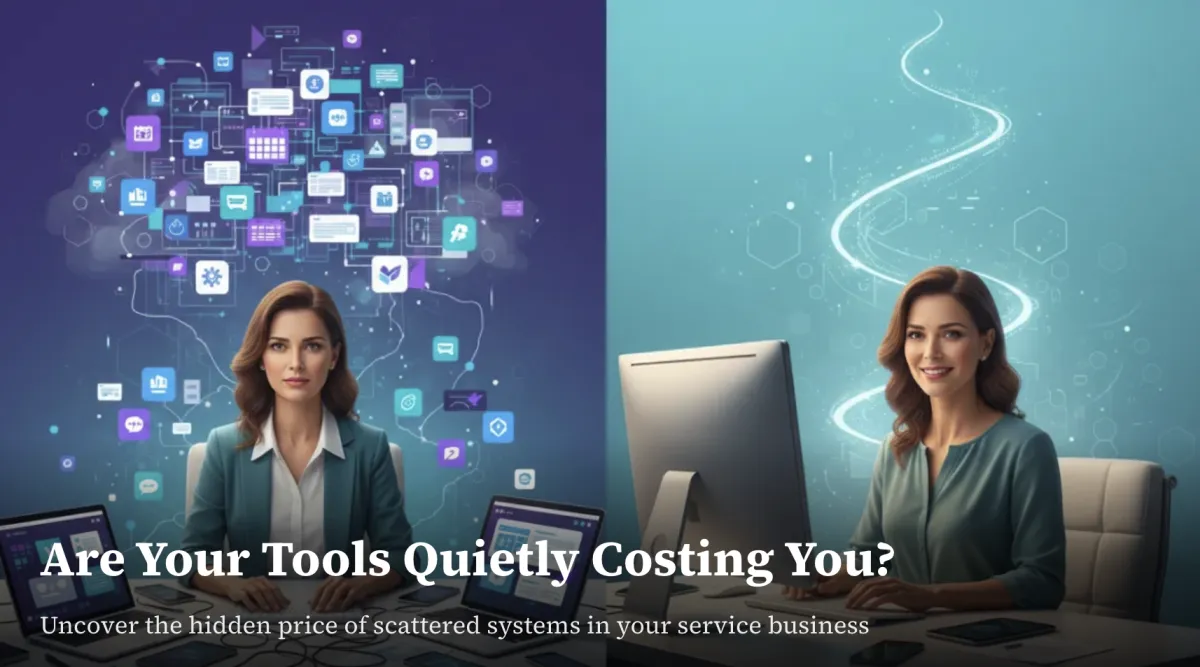
Ready to stop juggling disconnected tools?
If you're ready for a business that feels organized, supported, and built to grow with you - I'd love to welcome you into . . .

Biz Systems Magic brings your website, CRM, client journey, email marketing, automations, scheduling, and ongoing support together in one beautifully organized Business Home.
It's more than software - it's a partnership designed to help your business grow with greater clarity, confidence, and ease.
Does this sound familiar?
. . . be honest
🤥 "I'll work out my opt-in funnel once things slow down. . ."
😬 "I know what my processes are ...but haven't actually documented them anywhere."
😯 "I have an email list sign up but I'm a bit lax on the actual emailing...beyond "thanks for signing up" 🙃.
🫣 "I don't know which software will work for my needs ...just the research is overwhelming me 🤯 so it's perpetually on my to-do list."
🤔 "Did I send that email to client x? or it is still in my drafts?... or maybe that inquiry was in a DM?...I can't keep track of who & where!"
🤥 "I have a course or digital product, but I have no clue what tech I need to sell it."
Are you tired of putting off the tech tool & systems projects you know will make a huge difference in your biz?
Let me be your muse! I'll help you take action and get that shiz sorted, systemized & (wherever possible) automated!


systems
strategy + software + automation
Let’s face it you cannot accomplish your goals & grow in your business if you do not have your business systems in place.
Creating repeatable processes in your business is the key to forward momentum. Allowing your business to grow because you have time to do the important work or take on others to delegate some of that work.
Let go of the notion you need to do it all.
Click below to see what life changing biz systems magic we can work in only one a day!

funnels
design + tech + automation
Does just the word “funnel” give you a tension headache?
Contrary to what you may have read – your business may not need all the bells & whistles of an email sequence that leads to a webinar that leads to a sales page pitch, that leads to a buy now page (with a count down timer!)… oh me, oh my!
Are you hyperventilating yet?
Click below to see what we can knock off your marketing list in just a day!

courses
strategy + setup + tech
There are lots of moving pieces and oh so many tech options for jumping into the course creators arena.
I can help you formulate an action plan for your content and business goals.
We’ll start with mapping out how this will fit into your business model and that will help you determine your software and tech needs for your course and it’s marketing funnel.
Click below to see what we can get done for your course project in a day!

knock out just ONE these items from your list?
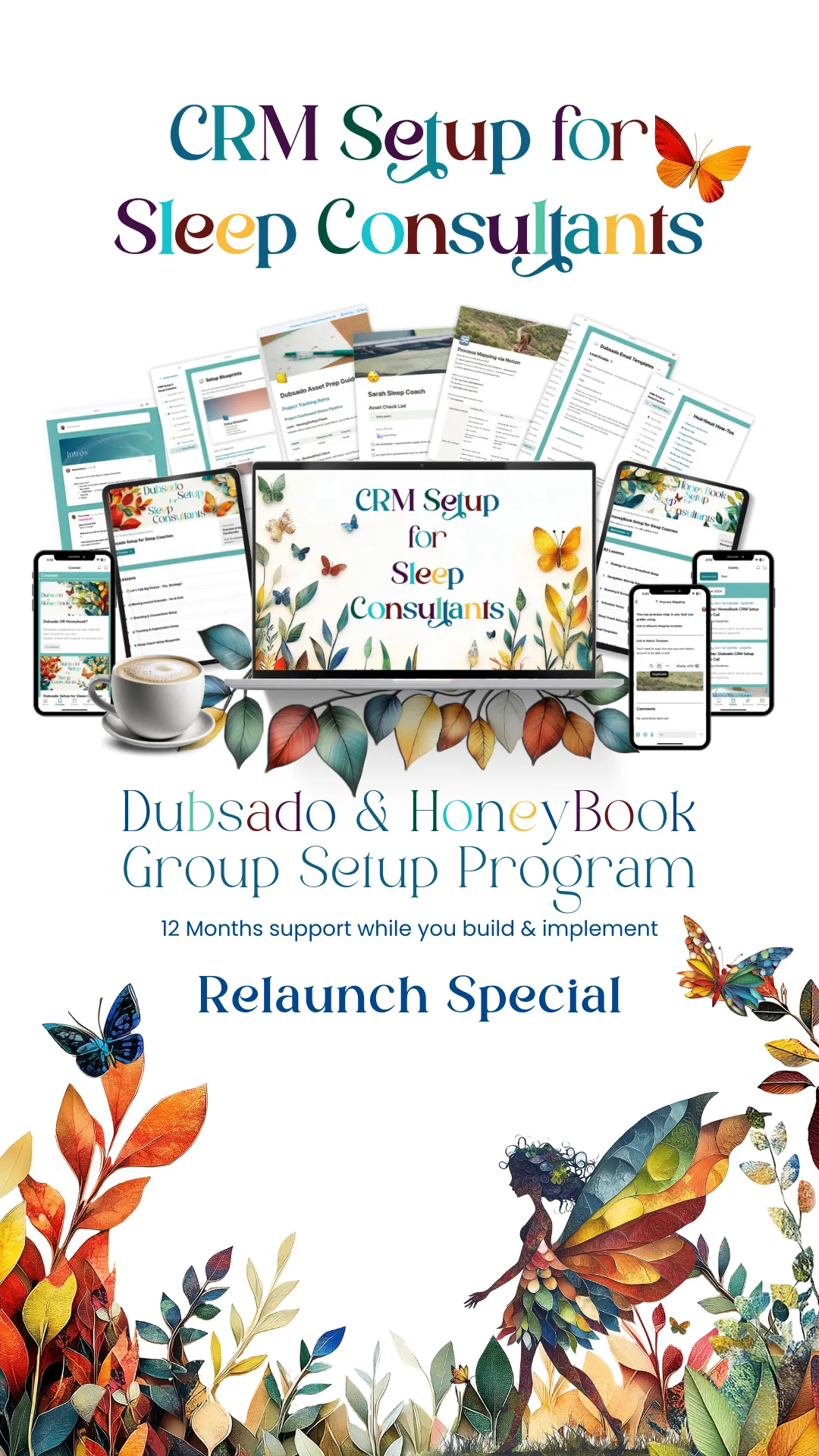
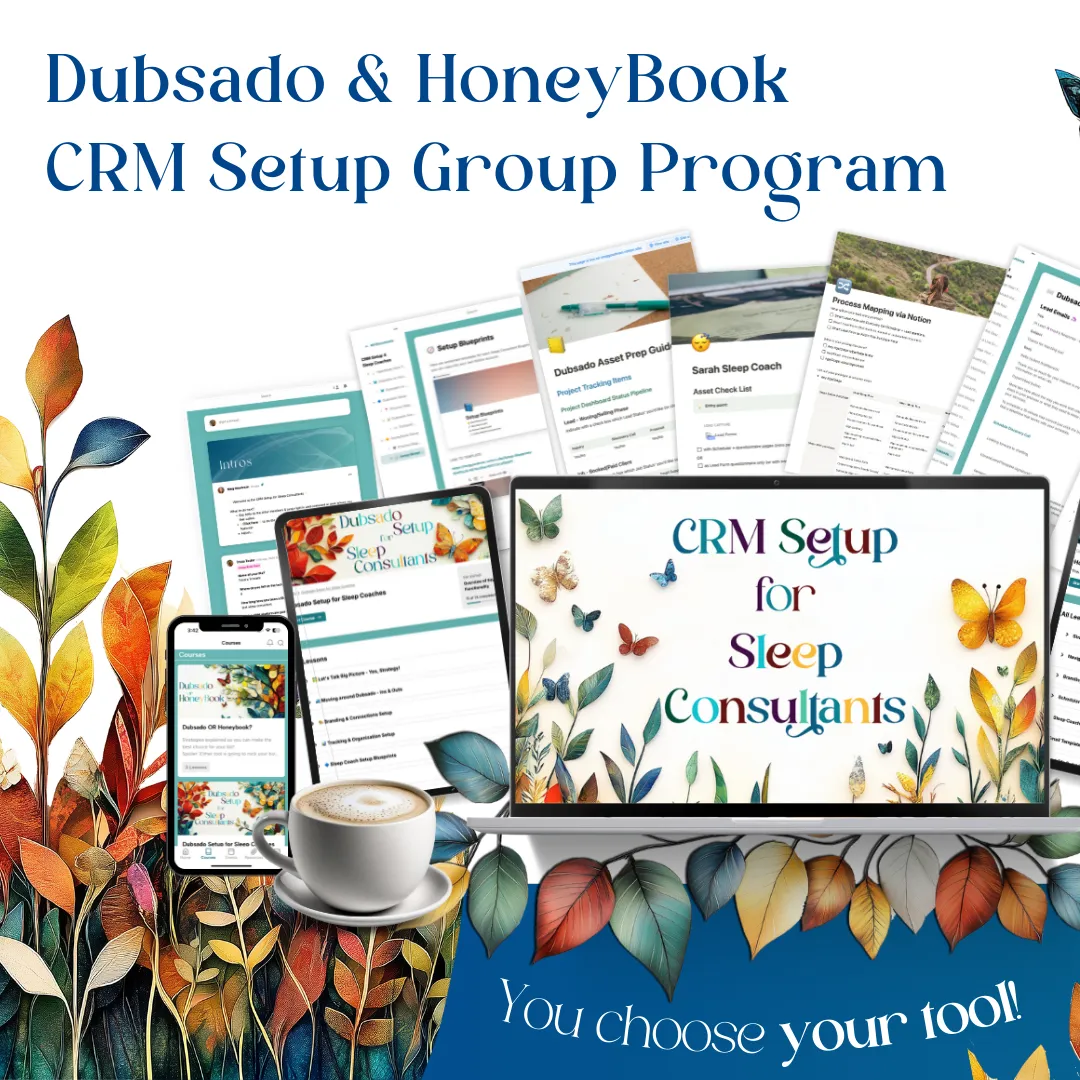
🧞♀️ Client Journey mapped out and set up in Dubsado (Honeybook, Practice, or 17hats)
🧞♀️ Your course was ready to go!
🧞♀️ Automated Welcome sequence in your email or chat tool.
🧞♀️ Client Onboarding Process in your Tool of choice.
🧞♀️ Landing Page/Opt-in Page Funnel
🧞♀️ Course or Community Platform Branded & ready to rock!
If one of those projects were done & dusted …what could you do with that extra – – Time? Head space? Income?
I can help you take action
my done-for-you solution
Biz Muse Intensive
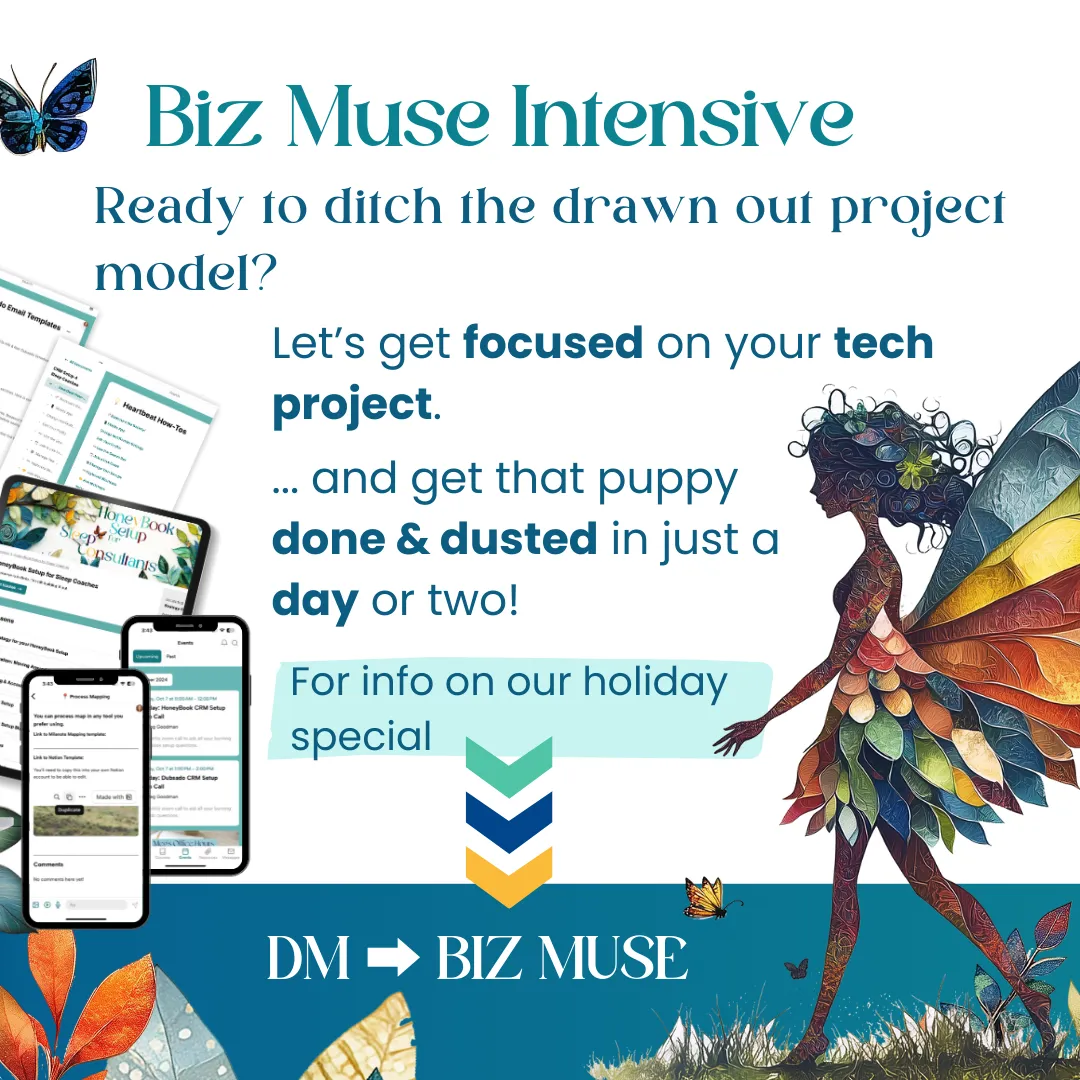
I will be your very own Biz Muse – focusing my expertise solely on your project for the entire day!
Collaborating together we will knock out those items from your list.
Planning + Focus & Collaboration = Amazing Results
You’ll be so spoiled by our day together – you’ll never want to work your future projects any other way!
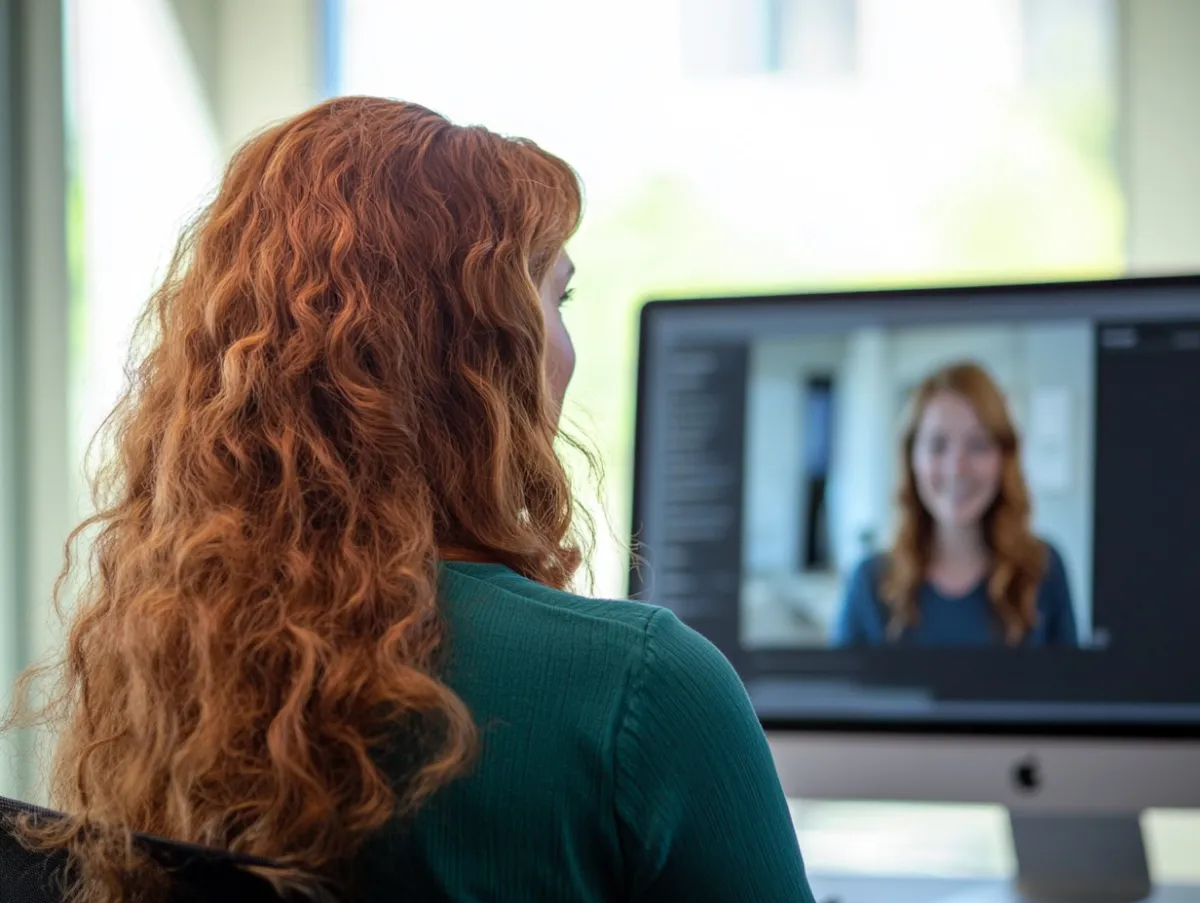
my done-with-you services
You + me getting shiz done!
Sometimes you just need a little help getting a specific task done or figuring out your strategy for a larger project.
If your need is more task list or coaching & strategy based - check out my done-with-you offers.
other offers
Everything Else
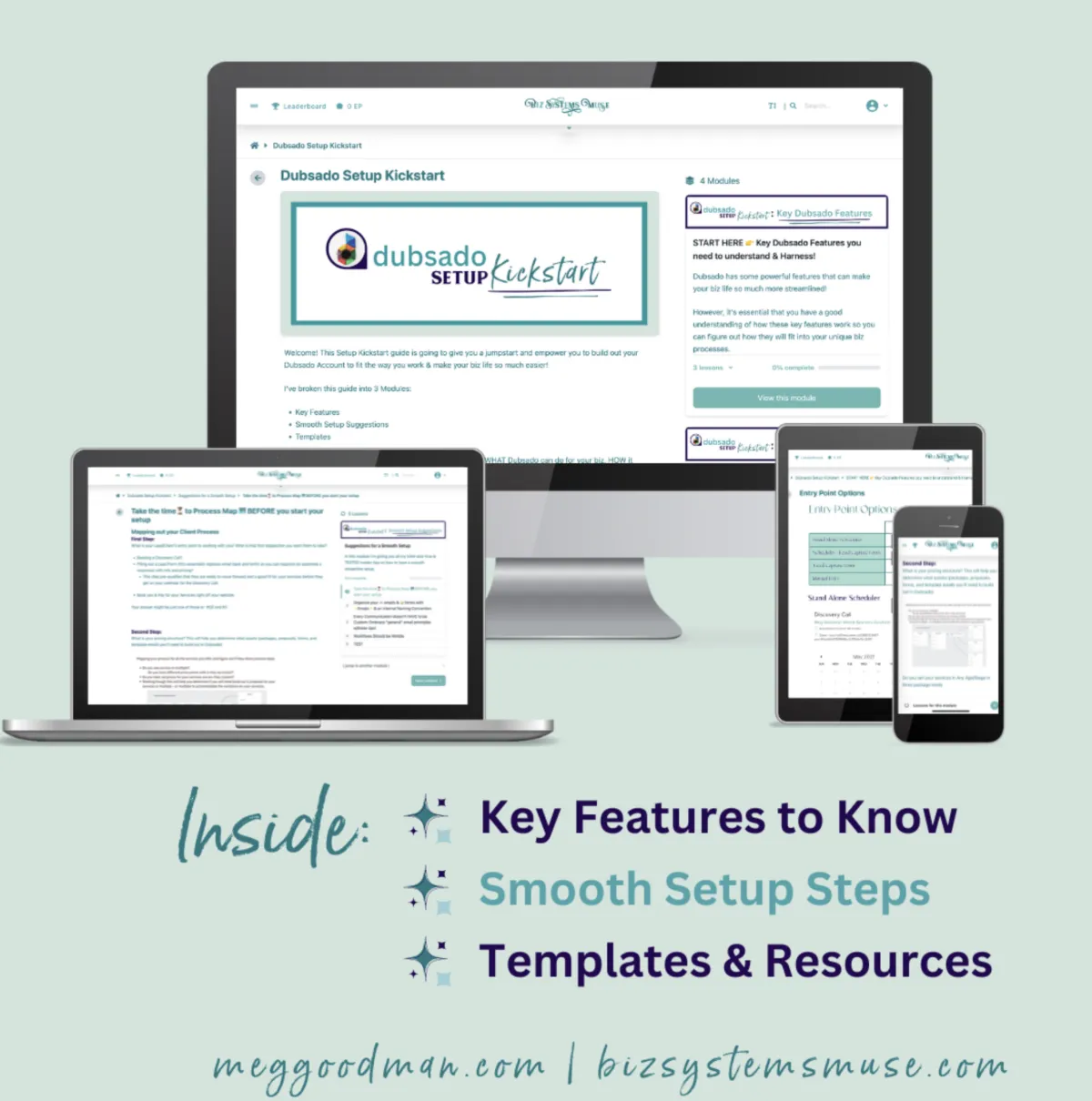
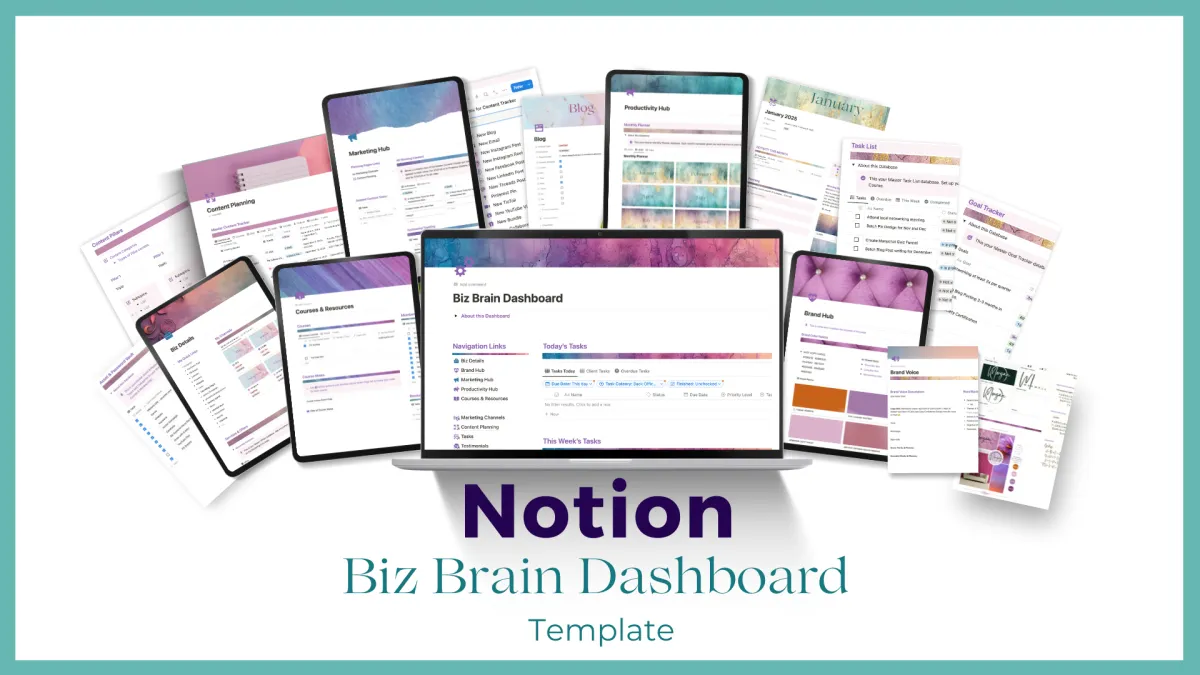
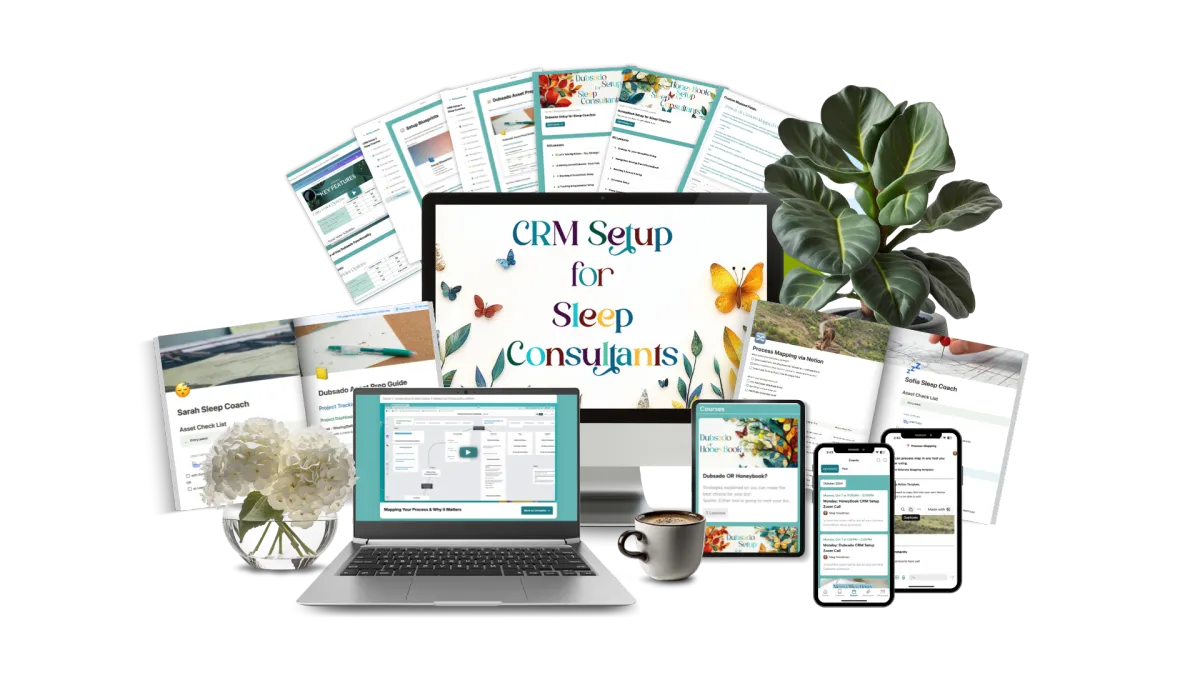
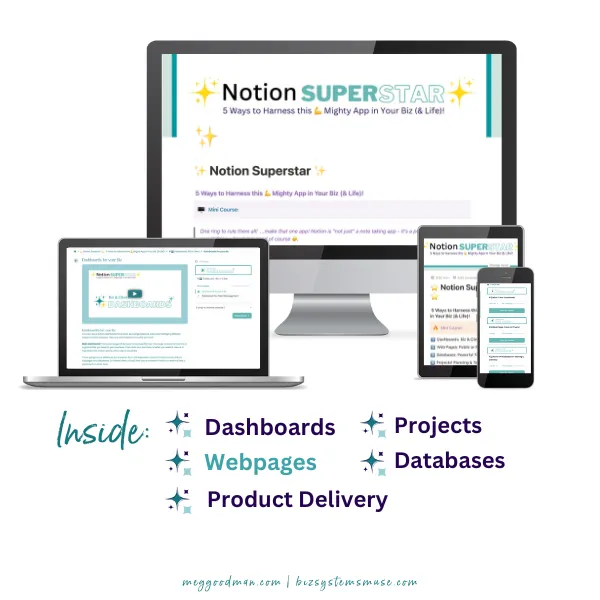
You'll find all my products, courses, programs & memberships on this page.
other offers
Everything Else
You'll find all my products, courses, programs & memberships on this page.
my done-for-you solution

I will be your very own Biz Muse – focusing my expertise solely on your
project for the entire day!
Collaborating together we will knock out those items from your list.
Planning + Focus & Collaboration = Amazing Results
You’ll be so spoiled by our day together – you’ll never want to work your future projects any other way!

Schedule your
Biz Muse Intensive
Prepare for your
Biz Muse Intensive. You'll have some homework after our mapping session.

Biz Muse Intensive
Day of Magic
(aka. I build out the thing!)
Zap that Project off your List!
& relish in the life changing automagical goodness that is likely the result of our work
Schedule your
Biz Muse Intensive
Prepare for your
Biz Muse Intensive. You'll have some homework after our mapping session.
Biz Muse Intensive
Day of Magic
(aka. I build out the thing!)
Zap that Project off your List!
& relish in the life changing automagical goodness that is the result of our work
“I knew I wanted to use Dubsado for my business, but also knew that getting it up and running would be hard for me. Hiring Meg was one of the best decisions I have ever made for myself and my business. She is a pleasure to work with! She spent time setting up this program for me, but more importantly she clearly walked me through each and every detail of the process. She sent videos and instructions along the way, detailing everything she was doing. She consulted with me about the options I wanted to use. She even helped me connect Dubsado to my website. I knew from my first video conference with Meg that working together was going to be a pleasure, and it was! I highly recommend her services!”
Johanna S. - Sleep Soundly Consulting
Let's explore where you are,
where you're headed, and whether I'm the right partner to help you build what comes next.


Socials


Socials
Keep learning. Keep growing.
The Biz Systems Muse Society is where thoughtful business owners come together to continue learning, ask questions, and discover smarter ways to build and improve their businesses.
Join for inspiration, practical tips, new resources, workshop announcements, and behind-the-scenes insights you won't find anywhere else.
Socials
Socials
© Copyright 2018 - 2026 Meg Goodman Virtual Business Solutions | Terms & Conditions